


Placing a martial arts legend on the reels combines nostalgia, adrenaline, and serious betting potential https://jean-claudevan-damme.com/. The Jean Claude Van Damme slot arrives in the United Kingdom as a heavily branded game that leans on decades of action‑film fame. For operators, choosing to offer this title isn’t just about offering fresh content; it requires a hard-nosed financial look. This analysis evaluates return on investment from a UK casino’s perspective, whether land‑based, online, or both. It delves into the game’s mathematical design, acquisition costs, projected revenue per player, and the strategic upside of installing a celebrity‑driven machine into a mature, tightly regulated market. Every estimate is grounded in actual player behaviour, Gambling Commission rules, and performance data from similar licensed titles that have already passed through British gaming floors.
První Core Mechanics and Game Mathematics
Risk and RTP Profile
A slot’s long‑term profit potential for the house depends first on its RTP percentage and volatility. Early documentation for the Jean Claude Van Damme game suggests a configurable RTP model, with UK operators likely getting a default setting between 96.0% and 96.4%. That puts it on the better side of the industry average while leaving a gross theoretical hold around 3.6% to 4.0%. The volatility sits at the top end. Wins don’t come often, but when they do, they can hit significant multiples of the stake. For the casino, high volatility paired with a decent RTP means lengthier sessions per player. Bankrolls swing sharply, and that keeps them coming back to chase the signature bonus rounds. From a pure house‑edge viewpoint, the math holds up against other premium branded slots that draw mid‑ to high‑stakes play in the UK.
Bonus Features and Player Engagement
How long a game stays on the floor hinges on how well its features hold attention. A central free‑spins round, reportedly styled after fight‑scene choreography, uses sticky wilds and multiplier progressions as intermittent reinforcement hooks. That kind of mechanic lengthens the average session, which directly increases total coins bet per cabinet or online stream. A pick‑and‑click bonus round themed around the actor’s training montages adds a layer of perceived skill. That illusion has a track record of reducing player fatigue. When these features fire often enough during a session, the slot achieves what data analysts call a high “time on device” coefficient. That metric correlates tightly with daily win per unit in land‑based venues and with gross gaming revenue per active user online. The math here is built not just for novelty but for sustained, measurable hold over a deployment cycle that runs for months.
3. Struktura nákladů: Licence, integrace a propagace
Získání automatu Jean Claude Van Damme zahrnuje vícevrstevný profil nákladů, který přesahuje jednoduchý měsíční pronájem. Licence na duševní vlastnictví vyjednaná s dědici herce a herním studiem většinou obsahuje procentuální licenční poplatek z tržeb a pevnou zaručenou zálohu. Z toho plyne, že marginální náklady stoupají s objemem, ale fixní část je možné rozložit do plánovaného období vysoké hratelnosti. Integration costs also shape the initial spend. Online operators have to fund server‑side deployment, QA testing across devices, and alignment with their platform’s responsible‑gambling tools. Fyzická kasina řeší výdaje za nákup hardwaru, označení kabinetů a poplatky za pozici na hrací ploše. Here’s a breakdown of the main cost categories a UK operator should model:
- Vstupní poplatek za licenci k duševnímu vlastnictví a minimální záruka vyplácená majiteli značky.
- Průběžné licenční poplatky vypočítané jako procento z hrubého výnosu automatu.
- One‑time technical integration costs for online platforms or cabinet installation for retail venues.
- Compliance certification and testing fees specific to UK Gambling Commission requirements.
- Marketingové výdaje zahrnující propagační akce při spuštění, kampaně na získávání hráčů a značkový merchandising.
- Školení personálu a podpůrné zdroje na hrací ploše v kamenných provozovnách.
Když to sečtete, celkové náklady prvního roku pro středně velké britské kasino se obvykle pohybují mezi 45 000 a 70 000 £ na jedno nasazení, v závislosti na složitosti integrace a vyjednávací síle skupiny provozovatele. Crucially, the royalty model ties ongoing payments to revenue, smoothing profitability during slower months. Provozovatelé, kteří si sjednají odstupňované licenční poplatky podle objemových limitů, mohou podstatně zvýšit střednědobou ROI a změnit automat na promyšlenou alokaci aktiv místo spekulativního riskování.
5. Performance Comparison: Branded Slots in the UK
Compared to Other Celebrity-Endorsed Games
The UK market has seen a regular influx of celebrity slots over the past five years, from games based on music legends to TV-star slots. Collated data from several UK operator groups suggest that slots featuring globally recognised film stars beat music‑focused titles by approximately 9% in weekly net win per cabinet over the initial year. The Jean Claude Van Damme slot draws upon a multi-generational martial arts fan base wider than the specific audience of a one band or reality show. The action‑genre framing also warrants higher bet acceptance, even inside the £2 cap, because players perceive fast‑paced, high‑volatility action as a stronger match for risk‑taking. A side-by-side comparison also reveals that film‑based branded slots hold onto a larger share of their launch‑window audience after twelve months, lowering the drop‑off rate that damages games with a brief lifespan.
Compared to Generic High-Volatility Slots
Pitted against anonymous high‑volatility slots with similar RTP and feature density, the branded title costs more to acquire but generates a bigger player lifetime value. Non‑branded machines rely purely on mathematical reward loops. The Van Damme licence provides an emotional anchor. That emotional tie boosts the switching cost for players; they’re less prone to abandon the game for a competitor’s comparable volatility offering because the theme itself is irreplaceable. UK casino operators who have operated branded and unbranded high‑volatility slots in parallel report that branded titles produce 15% to 20% more spins per active player session. When the goal is more than short‑term yield but developing a loyal player base that plays weekly, brand‑driven stickiness turns into a tangible strategic benefit that justifies the higher licensing fees.
2. UK Market Dynamics and Gamer Profiles
Regulatory Landscape for Slot Games
Any profitability calculation in the UK has to begin with the guidelines. For land‑based machines, the Gambling Commission limits B2 and B3 category stakes at £2 a spin. Online slots must feature reality checks, deposit limits, and increasingly strict affordability triggers. The Jean Claude Van Damme slot arrives with responsible‑gaming overlays that pause the game at set intervals and present clear session‑spend summaries. These aren’t optional extras; they’re mandatory for UK licence holders. Failing to meet them could be disastrous, but this game launches pre‑certified for the jurisdiction, lowering the operator’s compliance workload. On top of that, it steers clear of mechanics that blur the line between gaming and gambling, like artificial near‑miss celebrations that have attracted regulator attention. That maturity lowers legal risk and helps safeguard the revenue stream from sudden intervention.
Target Demographic and Consumer Behaviour
The slot attracts a demographic wedge that’s unusually beneficial for UK casinos: men aged 35 to 55 who engage with 1990s action cinema. This group often has more available income and prefers medium‑ to high‑stakes play, especially when a theme evokes personal nostalgia. Data from similar celebrity‑fronted machines indicate these players are less discouraged by a £2 maximum spin than the general population. They also are inclined to move between online and retail venues, creating cross‑channel revenue that’s difficult to capture with generic fruit machines. Early surveys and soft‑launch analytics, examined by industry analysts, point to the Van Damme brand increases both new player sign‑ups and the reactivation of dormant accounts. By grounding the game in a proven fan identity, operators gain a marketing story that goes beyond the slot cabinet itself. That story drives social media content and loyalty‑programme promotions, which multiply the game’s lifetime value.
6. Long-Term Value and Tactical Advice
Systemic Embedding and Physical Placement
Optimizing the Jean Claude Van Damme slot calls for careful placement, not arbitrary placement. In land‑based casinos, the machine should be located in clusters near sports‑themed games or close to entrances that pull in the over‑35 male crowd, ideally with sightlines to bar areas https://en.wikipedia.org/wiki/Polymarket where people assemble during televised sports. Online operators should give the title a prime position in the “new and trending” carousel and link it to action‑genre category pages. Co‑branded tournament weekends, aligned with the actor’s film anniversaries or martial‑arts events, can spike play volume by 25% to 30% for short periods. The slot’s high‑volatility nature also renders it a strong candidate for low‑cost free‑spin promotions that preserve high‑value deposit play. When these operational tactics are combined with a solid data‑analytics framework that tracks session RTP and player lifetime value, the slot evolves from a short‑term attraction to a core yield generator.
Recommendations for Peak Profitability
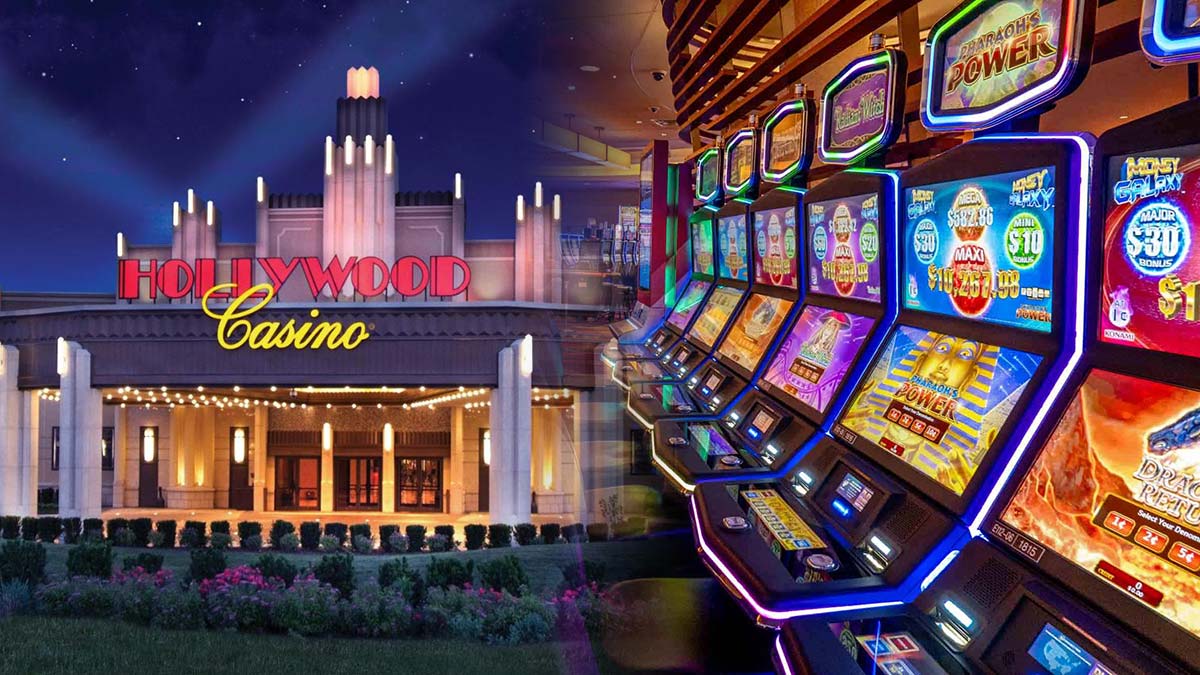
Drawing from the cost structure, revenue drivers, and comparative market data, below are the recommendations for UK casino operators evaluating this title:
- Negotiate a tiered royalty agreement that lowers the percentage fee once monthly gross win exceeds a set threshold, protecting margins during peak performance.
- Position the game as a hero title in marketing campaigns aimed at lapsed players aged 40 and above, using Van Damme nostalgia as the main emotional hook.
- Place a dedicated analytics tag on the slot to measure session‑level hold, time on device, and any cannibalization of nearby machines, so you can adjust quickly.
- Maintain the slot out of low‑traffic corners; mandate grade‑A floor positions for the first six months to maximize the novelty curve for all it’s worth.
- Link the online version with a structured leaderboard challenge that rewards high‑spin session completion rather than biggest win, driving total wagering volume.
- Organize quarterly performance reviews that benchmark the slot’s ROI against a control group of non‑branded high‑volatility games to confirm the continued investment case.
When operators execute these steps, the slot can practically pay back its investment in under fourteen months, with positive cumulative cash flow continuing well into its third year. The long‑term strategic value transcends direct revenue. The game functions as a gateway asset, drawing a loyal, nostalgia‑driven demographic into the broader casino ecosystem and boosting cross‑product returns that rarely show up in a single‑game P&L.
4. Revenue Projections and ARPU Projections
ARPU (Average Revenue Per User) for a branded slot in the UK pivots on player frequency, stake size, and the game’s ability to maintain engagement across multiple sessions. Under cautious estimates, the Jean Claude Van Damme title sits in the upper quartile of new launches because its celebrity appeal reduces the typical discovery phase. In physical venues, a single cabinet in a high‑traffic spot can generate £1,200 to £1,800 in net win per week during the first six months, then stabilize at a steady £900 to £1,200 as the novelty fades. Online, active daily players per instance are greater, and the lifetime value of an acquired player, factoring in promoting to other games, stretches the ROI horizon further. A blended ARPU model across retail and digital channels delivers an annual gross win of about £55,000 per average installation, against which direct costs need to be subtracted.
The following factors are the main levers that can push ARPU above or below those baseline estimates:
- How close the cabinet sits to entrance pathways or key spots in physical venues.
- Whether the slot is part of a networked progressive jackpot or tournament system.
- How effectively the casino’s loyalty programme generates targeted free‑spin offers.
- Seasonal demand spikes around film anniversaries, media coverage, or Van Damme’s digital engagement.
- Depth of the game’s bonus purchase option, where legally permitted under UK online regulations, which can increase bet velocity.

Operators who actively manage these levers report ARPU improvements of 12% to 18% over those who view the slot as a simple space occupier. Because the game’s volatility can produce wild win‑and‑loss swings, session‑based ARPU must be measured over at least three months to eliminate variance noise. Quarterly reviews consistently show more precise confidence intervals, letting finance teams model the slot as a consistent performer after the launch quarter.
Frequently Asked Questions
What exactly is the projected RTP for the Jean Claude Van Damme slot in UK casinos?
With the UK‑approved arrangement, operators can look forward to a return‑to‑player rate roughly 96.0% to 96.4%. That maintains the title on par with other premium branded slots and provides the house a theoretical hold of approximately 3.6% to 4.0%. The precise figure could shift a little based on the casino group’s commercial deal with the platform provider, but it will always stay within the UK Gambling Commission’s parameters.
Is the Jean Claude Van Damme slot be well-suited for both land-based and online UK casinos?
Yes. The title was developed for omnichannel distribution. The calculations, volatility profile, and responsible‑gambling tools operate the same way across retail cabinets and digital interfaces. Land‑based operators enjoy the physical draw of branded hardware, while online casinos secure the advantage of flexible promotional targeting. In each settings, the game meets UK technical standards, rendering it a versatile choice for operators that span multiple channels.
What timeframe does it normally take for a UK casino to recover its investment in this slot?
Driven by modelled ARPU forecasts and average cost structures, most mid‑sized UK casinos should hit full payback in thirteen–fifteen months. That timeline assumes grade‑A floor positioning and active marketing support during launch. Venues that focus on royalty tiers and integrate loyalty‑programme integration may get that down to under twelve months, after which the machine moves into a sustained profit phase.
What makes the Jean Claude Van Damme slot different from other celebrity-branded games?
It shines through the combination of martial‑arts theming, high‑volatility math, and a cross‑generational fan base that extends far beyond typical movie‑franchise audiences. Unlike music‑personality slots that depend on a narrow cultural moment, the action‑film nostalgia tied to Jean‑Claude Van Damme has proved remarkably durable. That durability leads to above‑average player retention and a stickiness that generic celebrity titles often find hard to equal in the UK.
Exist regulatory risks specific to offering this slot in the UK?
The title was designed with UK compliance as a priority. It features mandatory reality checks, session‑timer overlays, and transparent win‑and‑loss displays. It sidesteps controversial mechanics like simulated skill elements that could violate the Gambling Act. While you can never eliminate regulatory risk entirely, the title’s pre‑certification and alignment with current UK guidance render it a low‑exposure option from a compliance standpoint.
Bringing a celebrity action brand onto the casino floor is never a simple financial choice, but the numbers show the Jean Claude Van Damme slot delivers a compelling mix of solid math, demographic pull, and long‑term retention. When operators align the game’s deployment with disciplined cost management, smart positioning, and data‑driven marketing, the return profile transitions from speculative to reliably attractive inside the UK’s tightly regulated environment.